Public transport

Getting to Cents by public transport

Cents has 18 stops, served by 12 bus lines.

Direct lines run to Hamm, Luxembourg, Hollerich, Kirchberg, Merl, Limpertsberg, Cessange, and Hesperange.

Buses, the tram and trains are free within Luxembourg; only 1st class on trains needs a ticket.

Within a short walk of its stops: Luxembourg, old quarters and fortifications, National Museum of Natural History - Natur Musée, and Dräi Eechelen Museum: Fortress, History, Identity.

Plan a journey to Cents
Places to see in Cents

Luxembourg is full of life. With its international flair and the many languages that echo through its streets, it is a modern, vibrant city. Yet at the same time Luxembourg is a place in which history is very much a…

Read more

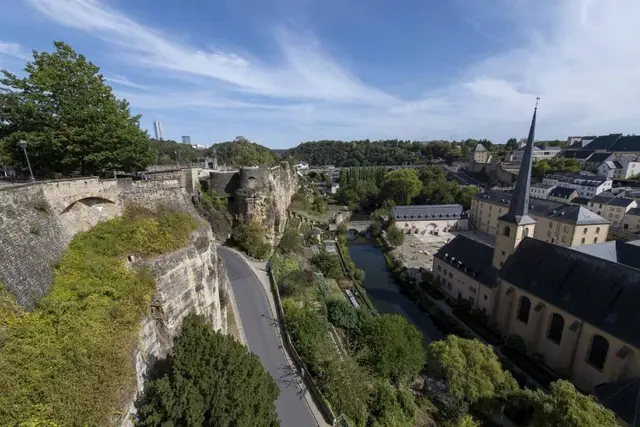
Luxembourg is full of life. With its international flair and the many languages that echo through its streets, it is a modern, vibrant city. Yet at the same time Luxembourg is a place in which history is very much a sensory experience. The remains of the old fortress, the “Gibraltar of the North”, from which the city and country were defended in times gone by, are to be found everywhere. A view of the mighty walls from the leafy Grund district, while strolling along the Alzette past the Neumünster Abbey, is especially beautiful. From this vantage point one can look up at the impressive Bock cliffs, one of the most important UNESCO sights. The subterranean casemates are the longest in the world, with windows carved out of the stone at regular intervals. Nowadays, the structural witnesses of this defensive past blend harmoniously with the cityscape. Many of them have undergone a metamorphosis. For example, you need to take a closer look and explore the interior to discover the fortress walls beneath the Villa Vauban built in the classical style in 1873. Today’s art museum is surrounded by a lavishly laid out magnificent park, which invites you to stroll and breathe deeply. A visit to the Dräi Eechelen Museum in the vicinity of the Mudam Contemporary Art Museum is a trip into both past and present at once. In turn, the latter building is a symbiosis of past and present. Surrounded by fortress walls, the museum itself is a modern and impressive edifice by star architect Pei, with exhibition rooms bathed in light, showcasing contemporary art. One thing is evident in Luxembourg: the UNESCO World Heritage remains are not redolent of a museum but rub shoulders with modernity. A city characterised by tolerance and conviviality, it is a city that is “Naturally Europe”. Experience UNESCO in the Visitor Center At the heart of the world heritage site is the “UNESCO Visitor Center” in the Lëtzebuerg City Museum, a place for immersing oneself in UNESCO world cultural heritage history, its significance and distinctive features. Displays, some of them interactive, show the protected Old Town and Fortifications. Anyone looking out of the window can compare models and drawings directly with reality. And anyone completing the 2.5 km long UNESCO Old Town and fortress walking tour can experience the world heritage site in less than 90 minutes. UNESCO programme and up-to-date information

  • Vieille Ville L-2011 Luxembourg City
  • Website

Natural history and the natural sciences are presented here in a simple yet fascinating way: in addition to its permanent exhibition, the “natur musée” regularly hosts special and focused exhibitions all about plants,…

Read more

Natural history and the natural sciences are presented here in a simple yet fascinating way: in addition to its permanent exhibition, the “natur musée” regularly hosts special and focused exhibitions all about plants, animals and the universe. It’s educational, lively and unusual. The museum’s two gardens, shop and cafeteria are also pleasant places to spend time. The museum is located in the charming Grund district and can be easily reached via the lift from the Plateau St. Esprit or on foot along the picturesque cobbled streets surrounding the Corniche.

  • 25 Rue Münster L-2160 Luxembourg City
  • Run by 'natur musée'
  • Website

A fortified castle becomes a cultural centre: the Dräi Eechelen Museum is located inside the renovated Fort Thüngen, first built in 1732-33, and is right next to the Mudam, Museum of Modern Art. The museum’s historic…

Read more

A fortified castle becomes a cultural centre: the Dräi Eechelen Museum is located inside the renovated Fort Thüngen, first built in 1732-33, and is right next to the Mudam, Museum of Modern Art. The museum’s historic home is itself an important element in the permanent exhibition there entitled “Fortress, History, Identity”. With its impressive underground tunnels and mines, the building still largely remains as it was when it was last extended in 1836/37. On a guided tour, visitors can discover over 600 objects and original documents on permanent display behind the fortified walls. On the first floor, the museum regularly presents special contemporary exhibitions. Discover the Dräi Eechelen Museum through immersive and interactive 3D tours.

  • 5 Park Dräi Eechelen L-1499 Luxembourg City
  • Run by Museum Dräi Eechelen - Fortress, History, Identities
  • Website

The circuit bears the name of the famous French military engineer, active during the reign of Louis XIV, Sébastien Le Prestre de Vauban (1633-1707). Appointed commissioner for fortifications at the age of just…

Read more

The circuit bears the name of the famous French military engineer, active during the reign of Louis XIV, Sébastien Le Prestre de Vauban (1633-1707). Appointed commissioner for fortifications at the age of just twenty-two, Vauban built or enlarged more than 160 fortresses in total. When he arrived in Luxembourg with the French enemy troops, the Spanish held sovereignty over the fortified city, which from the Middle Ages onward had been ruled by a number of foreign powers in turn. Following the traces of Vauban (General Commissioner for Fortifications), you will discover sites that bear witness to Luxembourg’s military past, experience the medieval charm of the old Lower Town of Pfaffenthal and, from the fortified heights, enjoy breathtaking panoramic views of the city. Developed into a federal fortified city during the Prussian era, Luxembourg was deemed impregnable right up until its demolition.

  • 30 Place Guillaume II L-1648 Luxembourg
  • Run by Luxembourg City Tourist Office
  • Website

The Bock Casemates, a subterranean defence system made up of kilometres of tunnels, is today one of the most important visitor sites in Luxembourg. These underground galleries were initially carved in the 17th century,…

Read more

The Bock Casemates, a subterranean defence system made up of kilometres of tunnels, is today one of the most important visitor sites in Luxembourg. These underground galleries were initially carved in the 17th century, under Spanish rule, and subsequently twice extended. Visiting the archaeological crypt, the antechamber to the casemates, is a similarly remarkable experience. On account of these impressive fortifications, Luxembourg was even given the epithet of the “Gibraltar of the North”. Discover the tumultuous history of the casemates and take in wonderful views of the Grund, Clausen and Pfaffenthal districts.

  • Montée de Clausen L-1343 Luxembourg City
  • Run by Luxembourg City Tourist Office
  • Website

Also called “the most beautiful balcony of Europe” (according to the Luxembourg writer Batty Weber), it runs along the Alzette valley on the ramparts - built by the Spaniards and the French in the 17th century - from…

Read more

Also called “the most beautiful balcony of Europe” (according to the Luxembourg writer Batty Weber), it runs along the Alzette valley on the ramparts - built by the Spaniards and the French in the 17th century - from the Bock Promontory up to the lower part of the Holy Ghost Citadel, the so-called “Rondellen”. Up to the year 1870 the Corniche had staircases in steep parts which were levelled off only after the dismantling of the fortress. Moreover the greatest part of the protecting wall with its loopholes was cleared away so as to disclose a superb panorama on the valley of the Alzette, the city district of Grund and the Rham Plateau.

  • Chemin de la Corniche L-1468 Luxembourg
Data: Administration des transports publics and Luxembourg for Tourism, CC BY 4.0